
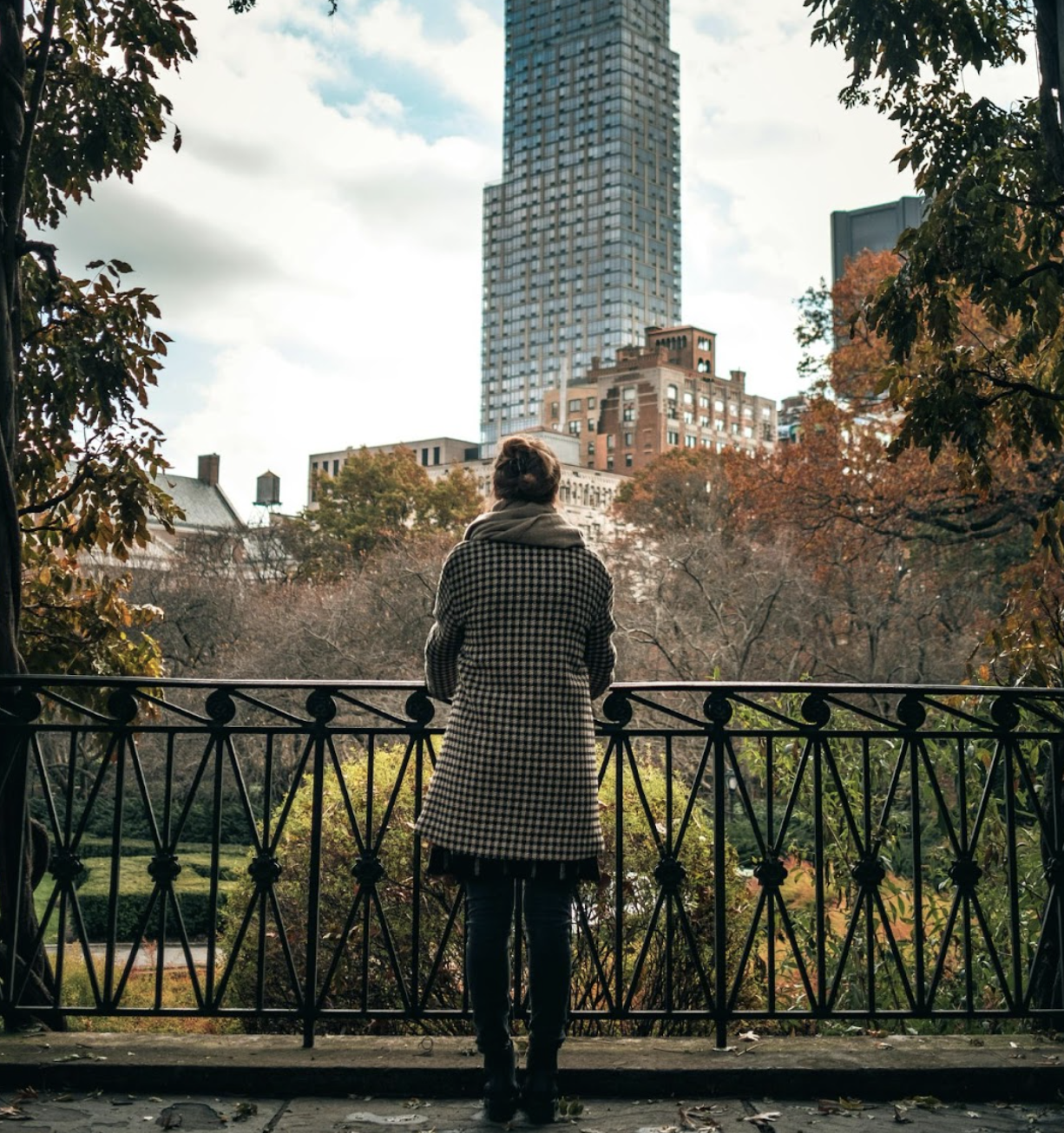
As the crisp autumn air settles over New York City and daylight begins to fade earlier each evening, many of us notice subtle changes in mood and energy. The trees turn brilliant shades of orange and red, pumpkin spice fills every café, and yet beneath the cozy sweaters and holiday lights, something feels a little heavier.
This shift, often called “the winter blues,” is more than just a seasonal slump. For some, it marks the beginning of what psychologists refer to as Seasonal Affective Disorder (SAD), a recurring type of depression tied to seasonal light changes. While fall and winter in NYC have their charm, they can also bring unique emotional challenges for urban dwellers constantly surrounded by concrete, commutes, and fluorescent lighting.
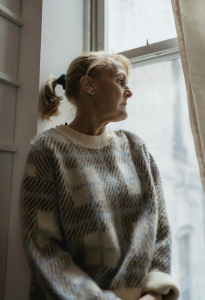 What Are the Winter Blues?
The winter blues describe a mild, temporary dip in mood that typically appears as daylight decreases. You might feel a bit less motivated, less social, or find it harder to enjoy your usual activities. This happens because our brains receive less sunlight, which disrupts the production of serotonin (a mood-boosting neurotransmitter) and melatonin (which helps regulate sleep and energy).
While the winter blues often fade on their own, Seasonal Affective Disorder (SAD) is a more serious form of seasonal depression that can linger for months if untreated. Understanding why this happens is the first step toward feeling better.
What Causes the Winter Blues?
When New York shifts from summer to fall, the change in light exposure is dramatic. Shorter days and gray skies mean less time outdoors, and for many of us working long hours indoors, that can mean virtually no natural sunlight during the week.
This lack of light affects serotonin production, which influences mood, appetite, and sleep cycles. According to Harvard Health Publishing, sunlight exposure and light therapy can naturally boost serotonin and are among the most effective ways to treat seasonal depression. Unfortunately, for many New Yorkers, sunlight is in short supply between commutes, subway rides, and high-rise office buildings.
Common Symptoms
For the Winter Blues, symptoms might include:
- A mild but noticeable drop in mood
- Reduced enthusiasm or motivation
- Less interest in social activities
- Minor sleep disruptions
For Seasonal Affective Disorder (SAD), symptoms are typically more severe:
- Persistent sadness or emptiness
- Loss of interest in hobbies or work
- Fatigue and low energy
- Difficulty concentrating
- Changes in appetite or weight
- Thoughts of hopelessness or, in rare cases, suicidal ideation
If you’re experiencing these symptoms, don’t hesitate to reach out. We would be happy to support you in your journey toward healing and wellness.
From Gloom to Glow: Simple Habits to Lift Your Mood During Winter
Urban living often amplifies seasonal stress and winter burnout. Between long workdays, crowded commutes, and endless to-do lists, it’s easy to disconnect from your emotional well-being. Yet even small, intentional shifts in your daily routine can help boost your mood, reduce stress, and restore a sense of balance during the darker months.
- Soak Up Every Ray of Sunlight
Even brief outdoor moments can help: a short walk during your lunch break, coffee near a window, or a weekend stroll through Central Park. Aim for at least 3, 30 minutes walks per week to maximize the positive effects of sunlight. - Support Your Mood with Nutrition and Supplements
Ask your healthcare provider about Vitamin D and Vitamin B6. Both play key roles in mood regulation and serotonin synthesis. Incorporating tryptophan-rich foods such as turkey, eggs, cheese, soy, nuts, and seeds can also help balance your body’s chemistry naturally. - Stay Connected
Isolation often deepens feelings of sadness. Make an effort to stay in touch with loved ones, even when you don’t feel like it. A simple dinner with friends or a weekend visit can lift your spirits. - Practice Self-Compassion and Routine
Consistency helps stabilize mood. Maintain a sleep schedule, exercise regularly, and engage in small activities that bring you joy, even if motivation feels low. - Seek Professional Support
If you notice persistent symptoms or a significant dip in mood that is affecting your daily life, don’t hesitate to reach out for help. If you are in NY or NJ, I can help you understand how environmental changes impact emotional health and develop personalized strategies to manage seasonal depression.
Therapy provides a safe, confidential space to explore your emotions, build coping tools, and strengthen your resilience through the darker months, so you can feel grounded, balanced, and connected again.
The rhythm of New York City doesn’t slow down for winter, but you can. By prioritizing your mental health, paying attention to your body’s needs, and seeking professional support when necessary, you can reclaim your balance and find light even in the darkest months.
If you believe you may be struggling with seasonal depression or the winter blues, know that help is available. Together, we can work to help you rediscover warmth, energy, and peace, no matter the season.