

When juggling countless responsibilities, deadlines, and places to be, it’s easy to forget about your own needs or to push them to the bottom of your to-do list. Many people assume that self-care is a luxury, something that requires expensive spa days or weekend retreats. The truth is, self-care is an accessible, empowering, and essential practice for maintaining both your mental and physical health.
Without a healthy mind and body, it becomes difficult to keep up with life’s demands. But what exactly does self-care mean? Let’s take a closer look at its meaning and explore some simple, effective self-care practices you can incorporate into your busy routine to enhance your well-being and quality of life.
Say Yes to Yourself: Understanding Self-Care
The World Health Organization (WHO) defines self-care as “the ability of individuals, families, and communities to promote health, prevent disease, maintain health, and cope with illness and disability with or without the support of a health worker.”
Self-care includes a variety of evidence-based practices that we can do on our own or with the help of a healthcare provider. The goal is to nurture our body and mind to support long-term health and wellness.
Through self-care, we can feel happier, manage stress, reduce the risk of illness, and strengthen our resilience during challenging times. It can even help us feel safer and more connected to others. It’s important to remember that self-care looks different for everyone, we each have unique needs, limitations, and interests.
Ultimately, taking care of yourself is what enables you to continue caring for your work, responsibilities, and loved ones. You can’t pour from an empty cup.
What Does Self-Care Look Like?
There’s no one-size-fits-all approach to mental and physical wellness. To get started, identify your goals and interests, then choose the practices that fit naturally into your lifestyle. Here are some practical self-care ideas you can try, even with a packed schedule:
1. Practice Thankfulness
Gratitude doesn’t take much time but can have a big impact on your mindset, even if done in under 5 minutes. Try writing down three to five things you’re thankful for each day: your job, your health, a loved one, your home, your pet, or even your morning coffee. Practicing thankfulness helps shift focus from stress to appreciation, improving emotional well-being.
2. Journaling
Journaling is a powerful self-care tool that allows you to organize your thoughts, release emotions, and gain clarity. You don’t need to spend hours on it; just 5–10 minutes a day is enough. Try journaling before bed, during lunch, or between meetings. You can even combine it with gratitude journaling for an extra boost of positivity.
3. Explore Sound Therapy
Sound therapy is an easy and relaxing self-care practice that can be done at home or in a professional setting. By using specific sounds or frequencies, you can help your brain reach calmer, more relaxed states. Popular techniques include music therapy, chanting, or using sound machines.
Research links sound therapy to reduced anxiety, better sleep, and lower blood pressure. Try listening to calming frequencies while getting ready for work or unwinding at the end of the day.
 4. Schedule Time for Self-Care
Just as you schedule meetings or errands, make time for yourself, too. Add “self-care sessions” to your calendar, whether that means a yoga class, a walk in the park, cooking a healthy meal, or simply taking a few minutes to breathe and recharge. Scheduling self-care helps ensure it becomes a consistent habit rather than an afterthought or a luxury.
5. Practice Mindfulness
Mindfulness means being aware of your thoughts, emotions, and surroundings in the present moment. According to the American Psychological Association (APA), mindfulness helps people break free from automatic or harmful habits by teaching them to observe their experiences without judgment.
Here are two simple mindfulness exercises you can try:
- Mindful breathing: Take short breaks to focus on your breath. Inhale slowly, exhale gently, and notice the sensation of air entering and leaving your body.
- Mindful chores: Turn daily activities like doing the dishes or showering into moments of mindfulness by paying attention to physical sensations, sounds, and movements.
6. Set Boundaries Between Work and Personal Life
Avoid bringing work home, especially if you already work from home! Clear boundaries help prevent burnout and protect your mental health. Create a distinct separation between work hours and personal time so your mind has space to rest and reset.
7. Try Therapy
Therapy is one of the most effective forms of self-care. Sessions typically last 40–50 minutes and can be done in person or via telehealth. Therapy helps you manage stress, build self-awareness, and improve overall well-being.
If you’re located in New York or New Jersey, reach out today to explore how therapy can help you live a healthier, more balanced life, even with a busy schedule.
Making Self-Care a Daily Practice
Prioritizing self-care doesn’t mean ignoring your responsibilities; it means strengthening your capacity to meet them with clarity and calm. When you take time to rest, reflect, and reset, you’re building the resilience needed to handle life’s demands more effectively.
By weaving small, meaningful rituals into your daily routine, whether it’s a mindful morning, a few deep breaths between meetings, or a quiet moment of gratitude ,you can reduce stress, boost productivity, and cultivate genuine happiness in your everyday life.
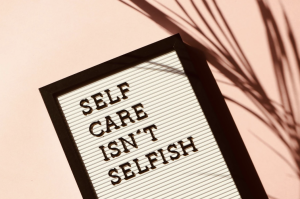
Remember: caring for yourself isn’t selfish, it’s the foundation for sustainable health, balance, and emotional well-being.