

In today’s fast-paced world, it often feels like we’re fighting a million battles at once. Work, school, family, relationships, finances, and health all demand our time, energy, and focus. With so many responsibilities and constant information overload, it’s easy to feel overwhelmed and emotionally drained.
Recent research supports this growing sense of strain. Alight’s 2024 Workforce and Wellbeing Mindset Study revealed that 69% of employees in the U.S. report moderate to high stress levels, and over 40% say they are experiencing burnout symptoms. These numbers reflect a nationwide challenge: balancing productivity with well-being has become increasingly difficult.
In response, self-care has emerged as a cornerstone of modern wellness. According to a 2024 YouGov survey, 32% of U.S. adults engage in daily self-care practices, and 43% do so at least once a week. While many focus on physical activities such as exercise, nutrition, or time with loved ones, a growing number of people are embracing mindfulness, meditation, yoga, journaling, and even digital detoxes as ways to care for their mental health.
We are collectively beginning to understand a vital truth: mental health is health. Prioritizing our emotional and psychological well-being is essential for a balanced, fulfilling life, and therapy is one of the most powerful tools to help us get there.
What Is Therapy?
Therapy, also known as psychotherapy, is a collaborative process that helps individuals understand their thoughts, emotions, and behaviors in a deeper and more meaningful way. It offers a safe, nonjudgmental space to explore challenges, gain insight, and develop healthier coping strategies.
The American Psychological Association (APA) defines psychotherapy as a process involving communication between clients and therapists designed to help people:
- Find relief from emotional distress (such as anxiety, fear, or depression)
- Seek solutions to life problems (including relationship issues, grief, or dissatisfaction at work)
- Modify unhelpful ways of thinking and behaving that interfere with daily functioning and joy
Similarly, the American Psychiatric Association explains that psychotherapy not only alleviates symptoms but also helps identify the root causes of emotional difficulties, leading to improved overall functioning and emotional healing.
Therapy is not one-size-fits-all; it’s available for individuals, couples, families, and children, and can be tailored to your specific needs. It’s a gradual yet deeply rewarding process that helps you reconnect with yourself, align with your values, and build emotional resilience.
If you’ve been feeling stuck, overwhelmed, or disconnected, therapy can guide you toward greater clarity, self-awareness, and peace of mind. At my practice, I offer therapy for individuals and couples, online and in-person, providing a supportive space to help you achieve just that.
Therapy as a Path to Reconnection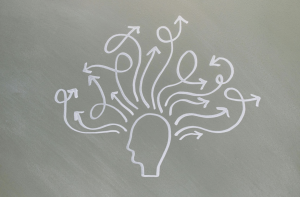
In a city that never stops moving, it’s easy to lose touch with who we are beneath the busyness. Between constant notifications, career pressure, and emotional fatigue, many of us drift away from our sense of self. Therapy offers a structured, compassionate space to pause, to process, to reflect, and to find your footing again.
Studies using brain imaging techniques have shown that psychotherapy can lead to positive structural and functional changes in the brain, similar to those seen with medication. According to the American Psychiatric Association, these changes have been observed in individuals with conditions such as depression, anxiety, PTSD, and panic disorder, reinforcing that therapy is not only emotionally healing but also neurologically transformative.
So, how exactly can therapy help you ground yourself and reconnect?
Therapy can help you:
- Build resilience and emotional strength in the face of challenges
- Recognize and shift unhelpful thought patterns that affect your mood
- Set healthy boundaries and communicate your needs effectively
- Manage stress and regulate emotions more skillfully
- Develop coping mechanisms and sustainable self-care routines
- Explore the mind-body connection through mindfulness and awareness practices
Through this process, therapy helps you slow down, breathe, and reconnect, not just with your emotions, but with your values, purpose, and sense of identity.
Feeling overwhelmed or emotionally drained doesn’t mean you’re failing; it simply means you’re human. During times of stress, anxiety, or burnout, therapy offers a path back to balance and self-understanding.
Working with a therapist can help you uncover what’s happening beneath the surface, process difficult emotions, and reconnect with your grounded, authentic self. Through this process, you begin to build resilience, clarity, and a deeper sense of peace in your daily life.
If you’ve been feeling disconnected, anxious, or burned out, consider taking the first step and reaching out for support. If you’re in New York or New Jersey, let’s work together to help you feel more grounded, present, and fulfilled.
Therapy isn’t just about healing; it’s about coming home to yourself and creating space for growth, calm, and genuine connection.